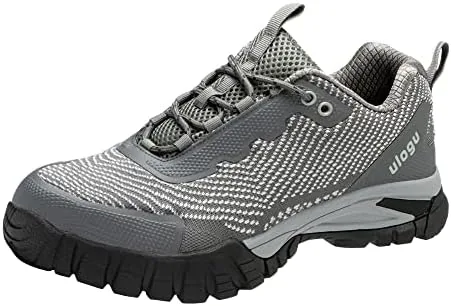
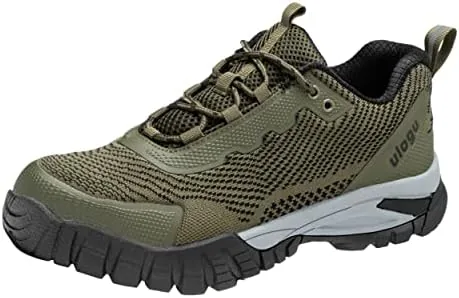
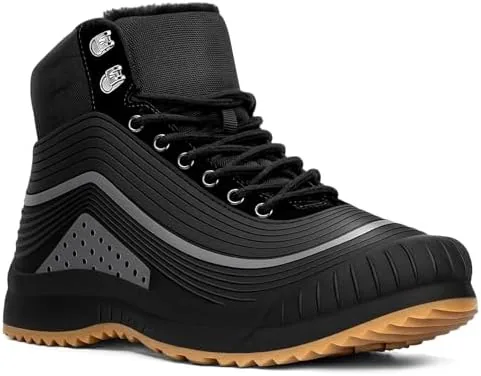
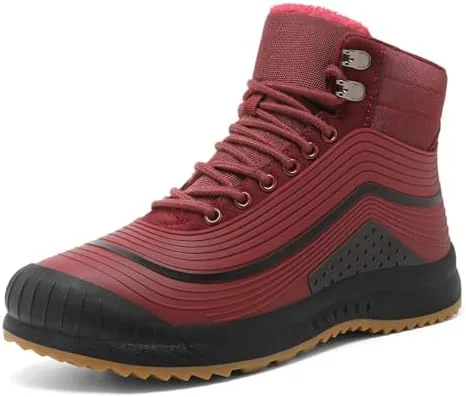
Ulogu — Work Shoes
Ulogu: Built for Workers Who Refuse to Choose Between Safety and Comfort
Ulogu exists for the construction worker who climbs scaffolding before sunrise, the warehouse employee who logs 20,000 steps per shift, and the kitchen staff member who navigates slick floors while carrying hot plates. Founded in 2019, the brand emerged from a simple observation: traditional safety footwear forced workers to sacrifice comfort for protection, leading to fatigue, foot pain, and reduced productivity. Ulogu rejected that compromise entirely.
The brand's mission centers on delivering professional-grade protection without the punishing weight and rigid construction that characterize conventional work boots. By integrating ASTM F2413-2011 certified steel and alloy toe caps with ultra-lightweight designs weighing as little as 1.3 pounds per pair, Ulogu created a new category of safety footwear. Workers no longer choose between meeting jobsite requirements and ending their shifts without aching feet.
Every design decision at Ulogu prioritizes the people who depend on their footwear eight to twelve hours daily. Memory foam cushion insoles with arch support address the reality that standing on concrete floors destroys joints over time. Advanced waterproof membranes recognize that construction sites flood, kitchen floors splash, and warehouse environments vary wildly. The brand serves those who need bulletproof protection packaged in footwear they actually want to wear.
From Steel Toe Sneakers to Insulated Snow Boots: The Complete Protection Range
The product lineup spans four distinct categories designed to cover every work environment and weather condition. Men's Steel Toe Work Shoes deliver ASTM-certified protection through safety sneakers that look nothing like traditional industrial boots. These models feature steel toe caps and puncture-proof Kevlar bulletproof midsoles, engineered specifically for construction, warehouse, and manufacturing environments where falling objects and sharp debris pose constant threats.
Women's Steel Toe Work Shoes address a market that mainstream safety footwear brands have historically neglected. These lightweight options incorporate alloy toe protection within feminine styling, recognizing that women working industrial jobs deserve properly fitted safety equipment rather than scaled-down men's designs. The collection combines workplace compliance with aesthetics that don't announce "safety shoe" from across the room.
Beyond industrial applications, Waterproof Hiking Shoes serve outdoor workers and trail enthusiasts with breathable membranes and aggressive non-slip outsoles. Winter Snow Boots complete the range with fur-lined insulation, waterproof uppers, and cold-weather grip technology. Whether the challenge involves steel beams, kitchen grease, forest trails, or frozen parking lots, the product range delivers purpose-built solutions.
The 50% Weight Reduction Revolution
Traditional work boots weigh between 3 and 5 pounds per pair, accumulating into hundreds of extra pounds lifted with every step across a shift. This weight compounds into joint stress, muscle fatigue, and decreased alertness as hours pass. Ulogu's engineering team attacked this problem directly, developing footwear that meets identical safety standards at half the weight. The result: shoes ranging from 1.3 to 2.9 pounds that deliver full ASTM F2413-2011 certification.
The weight reduction stems from materials innovation rather than protection shortcuts. Kevlar bulletproof midsoles replace heavy steel plates without sacrificing puncture resistance. Alloy toe options provide 15KN pressure resistance and 252J impact resistance through aerospace-grade materials that weigh significantly less than traditional steel caps. Breathable mesh uppers incorporate waterproof membranes while eliminating the dense leather that makes conventional boots so heavy.
This engineering philosophy extends beyond comfort into safety itself. Lighter footwear means faster reactions when avoiding falling objects, better balance on ladders and scaffolding, and maintained energy levels during overtime hours. Workers wearing lighter shoes make fewer fatigue-related mistakes. The weight reduction isn't a comfort feature — it's a safety multiplier that compounds across every hour worked.
Ulogu Safety Footwear: Essential Features That Define the Standard
- ASTM F2413-2011 Certified Toe Protection Steel and alloy toe caps withstand 15KN compression pressure and 252J impact force, meeting the strictest American safety standards for industrial footwear.
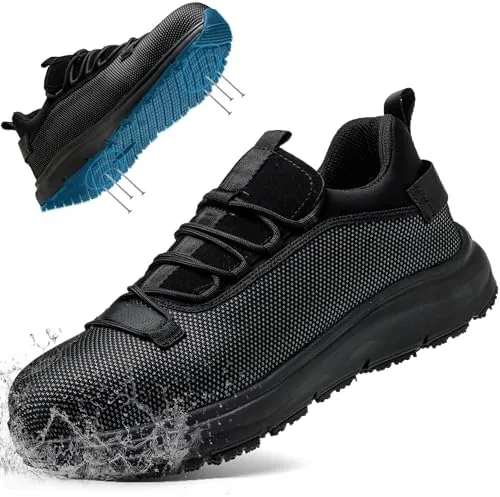
- Kevlar Bulletproof Midsole Puncture-resistant midsoles block nails, glass, metal shards, and other sharp debris from penetrating through the sole, protecting feet on construction sites and in warehouses.
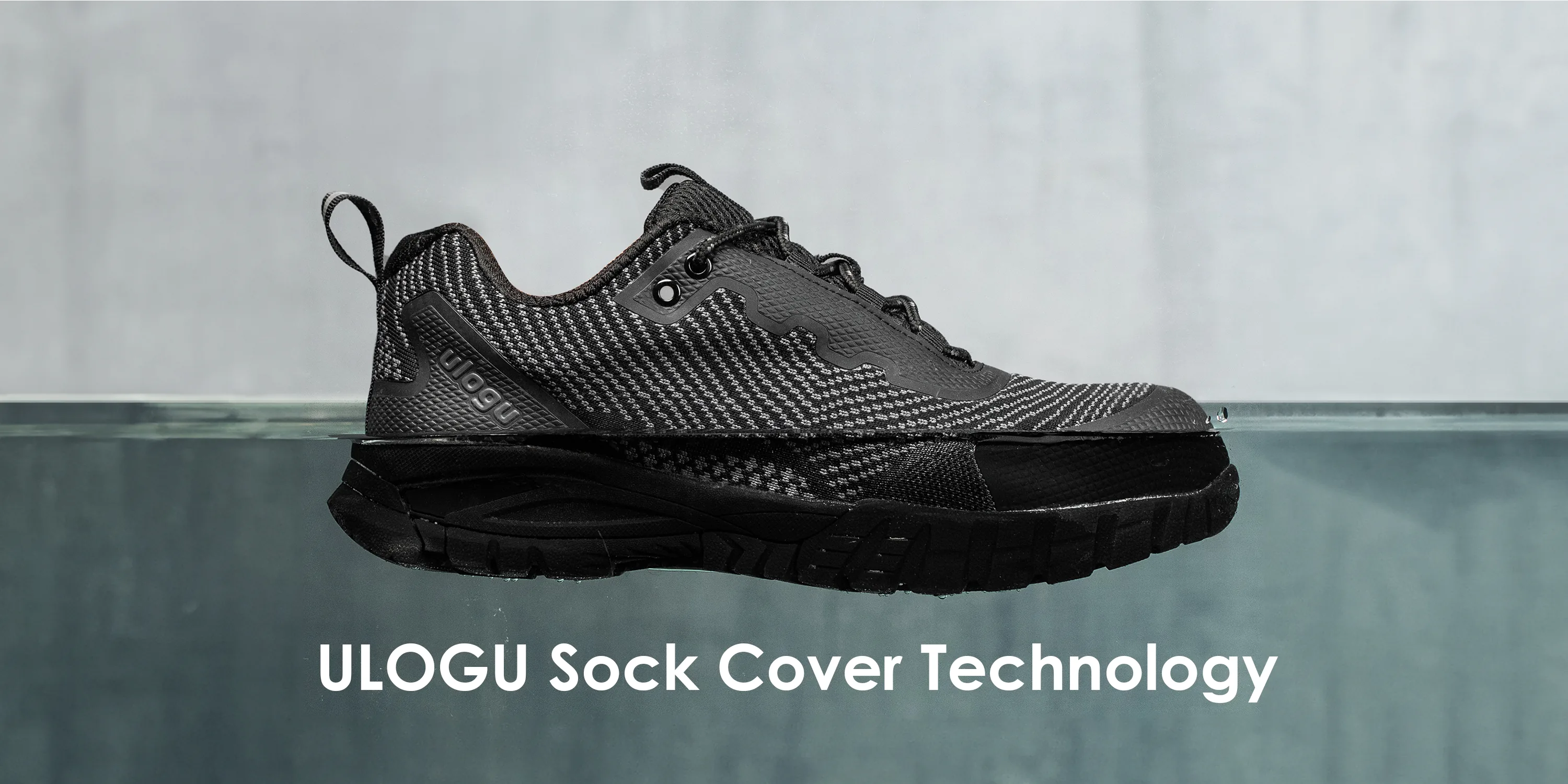
- Advanced Waterproof Membrane Technology Proprietary waterproof layers block liquid water molecules while allowing water vapor to escape, keeping feet dry in rain, puddles, and spill-prone environments without causing sweat buildup.
- Memory Foam Cushion Insoles Anatomically designed insoles with arch support distribute weight evenly across the foot, reducing fatigue and joint stress during extended standing shifts.
- Anti-Slip Tire-Tread Outsoles Rubber outsoles featuring tire-inspired tread patterns grip wet, oily, and uneven surfaces, certified under DB44/T 1713-2015 slip resistance standards.
- Ultra-Lightweight Construction Shoes weighing 1.3 to 2.9 pounds per pair represent 50% weight reduction compared to traditional work boots, reducing fatigue across long shifts.
Top Performers: The Models Workers Keep Reordering
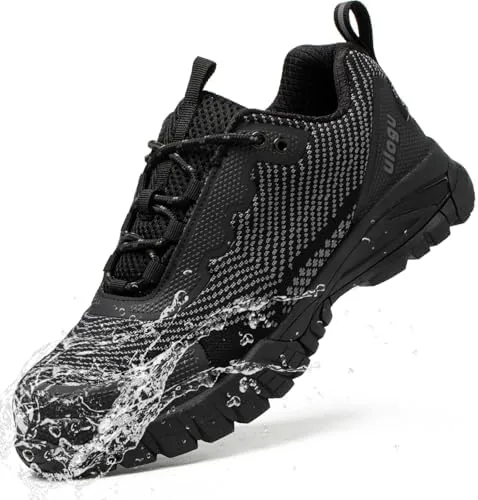
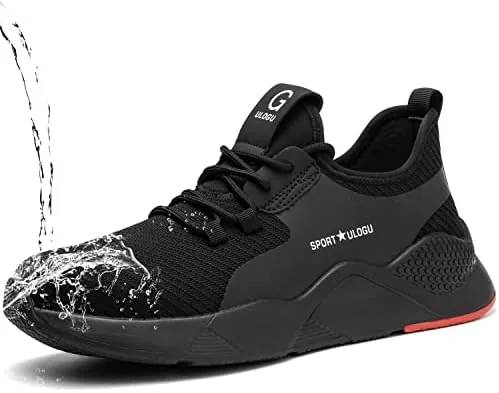
The ulogu Steel Toe Shoes for Men Women Waterproof Non Slip Safety Work Shoes consistently ranks as the flagship product, combining every core technology into one versatile design. The model delivers ASTM-certified toe protection, the advanced waterproof membrane system, and slip-resistant outsoles suitable for construction sites, warehouses, and manufacturing floors. Workers praise its ability to handle summer heat and winter cold equally well, with the breathable knitted upper preventing overheating during warmer months.
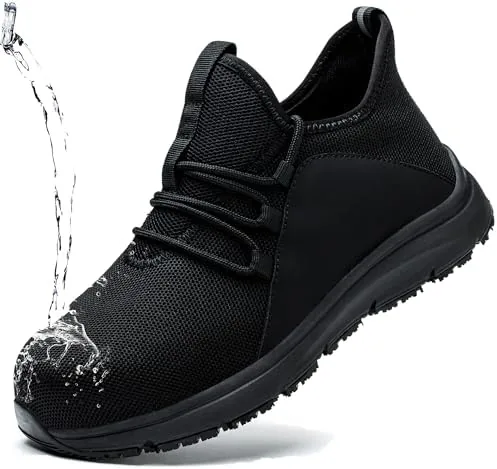
For kitchen and food service environments, the ulogu Non Slip Waterproof Shoes for Men Women Slip On Chef Work Loafers addresses the specific hazards of restaurant work. The slip-on design allows quick changes between shifts, while DB44/T 1713-2015 certified slip resistance handles grease, water, and food debris on tile floors. The sole pattern mimics anti-skid tire treads, maintaining grip even when splashed with hot liquids.
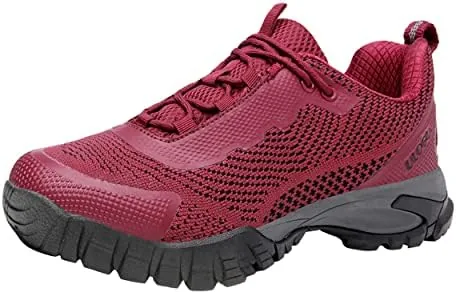
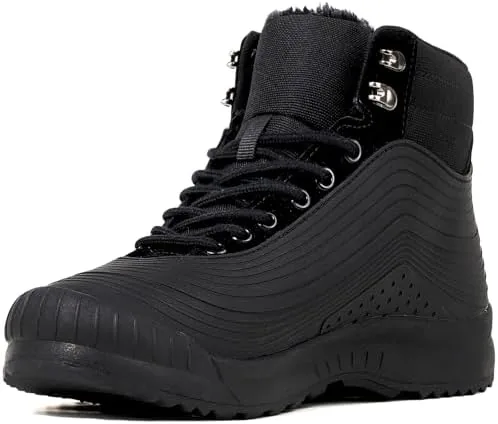
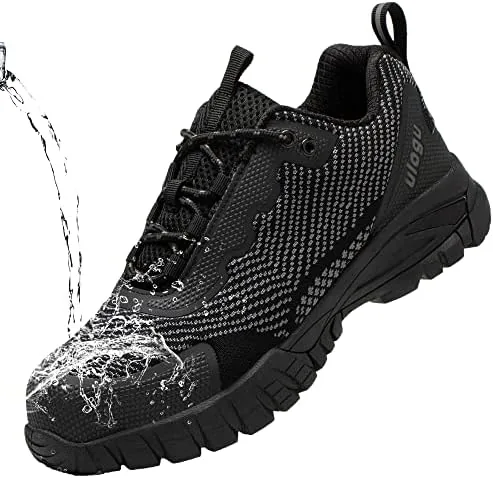
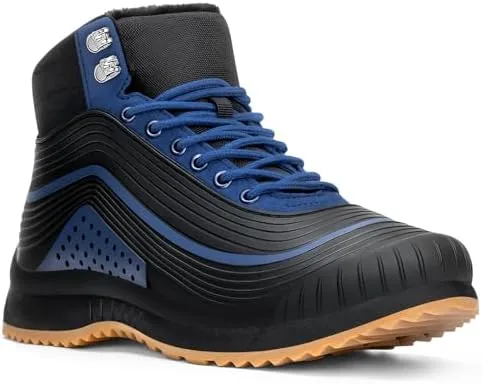
Outdoor workers and hiking enthusiasts gravitate toward the ulogu Hiking Shoes for Men Waterproof Lightweight, which translates jobsite durability into trail performance. The model handles complex terrain while keeping feet dry through stream crossings and rain showers. Winter crews rely on the ulogu Snow Boots men Waterproof Insulated, featuring KPU uppers that maintain flexibility and waterproofing even in extreme cold, plus fur lining that provides genuine warmth rather than marketing claims.
Kevlar Midsoles, Memory Foam Cores & Breathable Mesh Engineering
The Kevlar bulletproof midsole represents the most technically advanced component in the construction. Originally developed for body armor applications, Kevlar provides exceptional puncture resistance at a fraction of steel's weight. This material blocks nails, screws, glass shards, and metal debris from penetrating through the sole, addressing one of construction work's most common injury sources. Unlike steel plates that add significant weight and reduce flexibility, Kevlar midsoles bend naturally with foot movement.
Upper construction varies by model but consistently prioritizes the balance between protection and breathability. Waterproof models feature a sandwich construction: an outer shell that repels liquid water, a middle membrane that blocks water molecules while allowing vapor transmission, and an inner lining that wicks moisture away from skin. This three-layer system keeps feet dry whether the threat comes from external puddles or internal perspiration. The breathable mesh sections promote airflow while maintaining structural integrity.
The memory foam cushion insoles deserve particular attention for their role in all-day comfort. These insoles compress under weight, conforming to individual foot shapes and distributing pressure across the entire sole surface. Built-in arch support prevents the collapsed arch syndrome that affects workers who stand for extended periods. The rubber outsoles use specially formulated compounds that resist oil degradation, temperature extremes, and abrasion while maintaining the grip patterns that prevent workplace slips.
Shift-Ending Energy: How Lightweight Protection Changes the Workday
Workers consistently report a noticeable difference in end-of-shift energy levels after switching from traditional boots. The 50% weight reduction means legs lift less mass with every step, preserving muscle energy and reducing joint stress across thousands of daily movements. Construction workers note that ladder climbing feels less taxing, while warehouse employees describe maintaining productivity through overtime hours that previously left them exhausted.
The memory foam insoles contribute significantly to sustained comfort throughout extended standing periods. Rather than the hard, flat insoles found in budget work boots, these cushioned options absorb impact and support natural foot architecture. Workers who previously experienced heel pain, plantar fasciitis symptoms, and general foot fatigue report meaningful improvement. The arch support proves particularly valuable for concrete-floor environments where flat surfaces punish feet lacking structural support.
Waterproof performance holds up under real-world testing across seasons and conditions. The membrane technology genuinely blocks water penetration during rain, puddles, and spill exposure while allowing internal moisture to escape. This dual function prevents the soggy, cold feet that make winter shifts miserable and the sweaty, slippery conditions that plague summer work in non-breathable boots. The slip-resistant outsoles grip oily warehouse floors, wet kitchen tiles, and muddy jobsites with equal reliability.
Ulogu Work Footwear: Break-In and Daily Wear Guidelines for Maximum Performance
- Initial Break-In Period Wear new shoes for 2-3 hours daily during the first week, gradually increasing to full shift duration. This allows memory foam insoles to conform to individual foot shapes.
- Proper Lacing Technique Secure laces snugly around the midfoot while allowing toe box freedom. Overly tight lacing restricts circulation, while loose fitting compromises the slip-resistant grip.
- Moisture Management Remove insoles after wet shifts and allow both shoes and insoles to air dry separately. Never use direct heat sources like radiators or dryers, which damage waterproof membranes.
- Rotation Recommendation Alternate between two pairs when possible. This allows full drying between wears and extends the lifespan of both pairs by reducing daily compression of cushioning materials.
- Surface Compatibility The tire-tread outsoles perform optimally on hard surfaces including concrete, tile, metal grating, and asphalt. Extremely fine dust or flour may temporarily reduce grip until rinsed.
- Storage Conditions Store in cool, dry locations away from direct sunlight. UV exposure degrades both the waterproof membrane and rubber outsole compounds over time.
Finding Your Fit: Sizing Accuracy and Width Considerations
Accurate sizing proves essential for both comfort and safety performance. Shoes that fit too loosely allow foot movement inside the toe cap, reducing protection effectiveness and increasing blister risk. Overly tight fits restrict circulation, causing numbness during long shifts and preventing the natural foot swelling that occurs during standing work. The recommendation for most models is to order true to size based on standard measurements.
Workers with wider feet should consider sizing up by half size, particularly in steel toe models where the reinforced toe box cannot stretch. The alloy toe options in women's styles often accommodate wider feet more comfortably due to the slightly smaller cap dimensions. Memory foam insoles compress over time to accommodate foot shape, so initial snugness typically resolves within the break-in period.
Measuring feet at the end of the workday provides the most accurate size reference, as feet swell during standing hours. Both feet should be measured since slight size differences between left and right are common. When between sizes, selecting the larger option and using the included insoles generally produces better results than choosing the smaller size and removing cushioning for additional room.
The Right Choice for Long-Shift Workers Who Demand Comfort Without Compromise
Ideal For
- Construction workers on scaffolding and roofing projects
- Warehouse employees walking 15,000+ steps daily
- Restaurant and kitchen staff on slick floors
- Manufacturing workers near heavy equipment
- Outdoor laborers in variable weather
- Anyone standing 8+ hours on concrete
May Not Suit
- Workers requiring electrical hazard certification
- Environments with extreme chemical exposure
- Jobs requiring metatarsal guard protection
- Dress code environments requiring formal footwear
- Specialized welding boot requirements
- Situations demanding ankle-height coverage
Selecting the Right Safety Footwear Model for Your Work Environment
The selection process should begin with identifying primary hazards present in your work environment. Construction and roofing professionals benefit most from steel toe models with Kevlar midsoles, addressing both impact and puncture risks common to these settings. The waterproof membrane becomes essential for outdoor work where rain exposure and standing water occur regularly. If weight concerns take priority, alloy toe options provide equivalent protection with measurable weight savings.
Kitchen and food service environments present different hazard profiles where slip resistance matters more than impact protection. The chef work loafers prioritize DB44/T 1713-2015 certified grip over steel toe reinforcement, recognizing that greasy floors cause more restaurant injuries than falling objects. The slip-on design accommodates quick uniform changes while the waterproof construction handles inevitable spills and floor washing.
Climate considerations should influence model selection significantly. The hiking shoes serve warm-weather outdoor work and trail use with breathable construction that prevents overheating. Winter conditions demand the insulated snow boots with fur lining and KPU uppers engineered for cold-weather flexibility. Workers facing year-round variable conditions often purchase both seasonal options, extending the lifespan of each pair by matching footwear to environmental demands rather than forcing single-pair versatility.
Ulogu vs. Traditional Work Boot Brands: Feature-by-Feature Comparison
| Feature | Ulogu | Timberland PRO | Skechers Work |
|---|---|---|---|
| Average Weight (per pair) | 1.3-2.9 lbs | 3.5-5.0 lbs | 2.8-4.2 lbs |
| ASTM F2413 Certification | Yes — Steel & Alloy Options | Yes — Steel & Composite | Yes — Composite |
| Puncture-Resistant Midsole | Kevlar Bulletproof | Steel or Composite Plate | Composite or None |
| Waterproof Technology | Advanced Membrane + Breathable | Seam-Sealed Leather | Waterproof Leather or Synthetic |
| Memory Foam Insole | Standard on All Models | Premium Models Only | Memory Foam Standard |
| Slip Resistance Certification | DB44/T 1713-2015 | ASTM F2913-19 | ASTM Rated |
| Price Range | $45-$75 | $85-$180 | $70-$120 |
| Style Options | Sneaker, Loafer, Boot | Traditional Boot Heavy | Sneaker and Boot |
| Break-In Period | Minimal — 3-5 Days | Extended — 2-3 Weeks | Moderate — 1-2 Weeks |
Specifications based on manufacturer data and comparable model comparisons. Individual model features may vary.
Preserving Protection: Cleaning and Long-Term Maintenance
- Routine Cleaning Wipe exterior surfaces with a damp cloth after shifts to remove dirt, dust, and debris. For stubborn grime, use mild soap and water with a soft brush, avoiding harsh chemicals that degrade waterproof membranes.
- Deep Cleaning Process Remove insoles and laces before deep cleaning. Hand wash the exterior with gentle detergent, rinse thoroughly, and air dry completely before reassembling. Machine washing damages structural components.
- Insole Maintenance Memory foam insoles benefit from periodic removal and separate airing. If odor develops, sprinkle baking soda on insoles overnight, then shake clean before reinserting.
- Waterproofing Renewal The membrane technology maintains effectiveness with proper care, but exterior waterproof sprays designed for synthetic materials can extend protection on high-wear models.
- Outsole Care Clear debris from tread patterns regularly using a stiff brush. Embedded stones or metal fragments reduce grip effectiveness and may damage flooring surfaces.
- Storage Between Seasons Clean and dry completely before seasonal storage. Use shoe trees or crumpled newspaper to maintain shape. Store away from heat sources, direct sunlight, and damp environments.